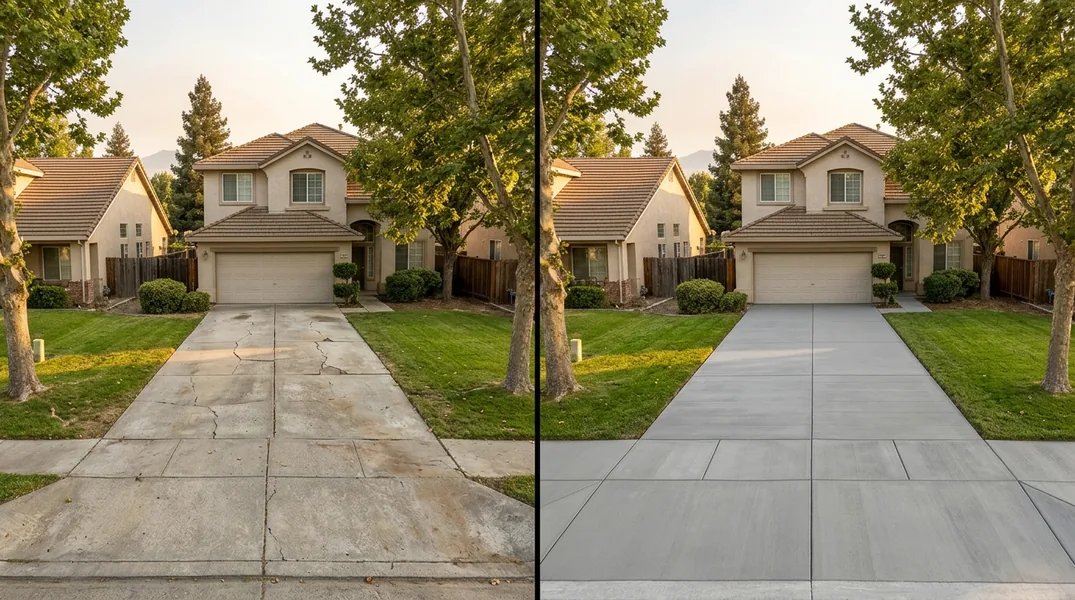
Understanding New Construction Concrete Slabs in Stockton
Buying a new home is one of the most significant investments you'll make, and understanding the foundation beneath your feet is critical. In Stockton, most new residential construction rests on concrete slabs, which serve as the structural foundation for the entire house. Unlike traditional basement foundations common in colder climates, slab-on-grade construction is ideal for California's climate and soil conditions, offering cost efficiency and durability when properly installed.
A concrete slab foundation consists of a layer of concrete, typically four to six inches thick, poured directly onto prepared soil. This method has become the standard for new builds across California because it minimizes moisture issues, reduces construction costs, and provides a solid, level surface for framing. However, not all concrete slabs are created equal, and the quality of workmanship during the pour can significantly impact the longevity of your home. As a homebuyer in Stockton, knowing what to look for before closing can save you thousands in repairs down the road.
New Home Foundation Inspection: What Homebuyers Should Check
Before you sign the final paperwork, a thorough new home foundation inspection should be part of your closing checklist. Professional home inspectors will examine the slab for visible defects, but as the homeowner, you should also understand what warning signs to watch for. The most common issues in new construction slabs include settlement cracks, heaving, and poor drainage around the perimeter.
Start by visually inspecting the entire slab surface, both inside and outside the home. Look for cracks that run in multiple directions, especially those wider than one-eighth of an inch or longer than a few feet. While hairline cracks are normal in concrete as it cures and settles, larger or diagonal cracks may indicate structural movement or poor installation. Pay special attention to cracks near doors, windows, and corners of the house, as these areas experience the most stress. Additionally, check whether the slab is level by observing water drainage patterns after rain or during watering. Pooling water or areas where water doesn't drain properly suggest the slab may have settled unevenly, which can lead to moisture problems and foundation damage over time.
Slab Cracks in New Build California Homes: Normal vs. Concerning
One of the most common concerns new homebuyers have is slab cracks in new build California properties. The good news is that some cracking is inevitable and expected in concrete. As concrete cures, it shrinks slightly, and this shrinkage stress typically results in small, hairline cracks that are purely cosmetic and structurally insignificant. These minor cracks don't affect the integrity of your foundation and won't compromise your home's safety or value.
However, you should be concerned about cracks that suggest more serious problems. Diagonal or stair-step cracks that run across the slab may indicate foundation settlement or movement caused by soil issues, improper grading, or inadequate base preparation. Cracks wider than one-quarter inch, cracks that continue to grow, or cracks accompanied by doors and windows that won't close properly are red flags that warrant professional evaluation. If you notice any of these concerning signs before closing, request that the builder address them or provide documentation from a structural engineer confirming the cracks are non-structural. In cases where significant cracking is discovered after purchase, Concrete Repair and Resurfacing solutions can often restore the slab and prevent further damage.
Soil Conditions and Drainage: The Hidden Factors Affecting Your Slab
The quality of your new construction concrete slab depends heavily on factors you can't see, namely the soil beneath it and the drainage systems around it. Stockton's clay-heavy soil can shift with changes in moisture content, causing the ground to expand when wet and contract when dry. If the builder didn't properly prepare the subgrade or install adequate drainage, your slab may experience heaving or settlement issues years after construction. This is why proper site preparation is just as important as the concrete pour itself.
Before closing, ask the builder for documentation showing how the site was prepared. The soil should have been compacted to a specific density, and a gravel base layer should have been installed to promote drainage and prevent moisture from accumulating beneath the slab. Additionally, examine the grading around your home's perimeter. The ground should slope away from the foundation at a minimum grade of five percent (roughly half an inch per foot) to direct water away from the slab. Poor grading that allows water to pool against the foundation can lead to moisture infiltration, mold growth, and premature concrete deterioration. If you notice drainage problems during your inspection, these should be corrected before closing, or you should negotiate credits to address them yourself after purchase.
What to Do If You Discover Slab Issues Before Closing
Discovering foundation problems before closing gives you significant leverage to negotiate repairs or credits. If your home inspection reveals concerning cracks, settlement, or drainage issues, document everything with photographs and a written report from a licensed home inspector or structural engineer. This documentation is your strongest tool when negotiating with the builder. Most builders will either repair the issues, provide a credit toward repairs, or in some cases, offer a price reduction if the problems are minor and non-structural.
When negotiating repairs, be specific about what needs to be fixed. For minor cracks, you might request that the builder seal them with an epoxy injection or concrete filler. For drainage issues, request that grading be corrected or that French drains be installed. For structural concerns, insist on a structural engineer's report and repairs that meet California building codes. If the builder refuses to address significant issues, you have the option to walk away from the deal or negotiate a substantial credit. Keep in mind that foundation repairs can be expensive, so it's worth fighting for proper remediation before you take ownership of the home.
Long-Term Slab Maintenance and When to Call Professionals Near Me
After closing, your responsibility as the homeowner is to maintain your concrete slab to prevent future problems. Regular maintenance is far less expensive than major repairs. Keep gutters and downspouts clean and directed at least four to six feet away from the foundation. Maintain proper grading around your home, and repair any landscape irrigation systems that might be watering the foundation. During dry seasons, consider occasional deep watering near the perimeter to prevent excessive soil shrinkage, but avoid overwatering that could cause soil expansion.
If you notice new cracks developing or existing cracks widening over time, don't ignore them. Professional evaluation can determine whether the issue is cosmetic or structural. For minor cracks and surface damage, Concrete Repair and Resurfacing services can extend the life of your slab and prevent water infiltration. Stockton Concrete specializes in foundation assessment and repair for homeowners in the area. If you're concerned about your slab's condition, call (209) 299-0216 or visit https://stockton-concrete.com to schedule a free estimate and get professional guidance on maintenance or necessary repairs.
Looking for a professional concrete contractor in Stockton? Stockton Concrete responds fast for all your concrete needs.
Get a Free QuoteOur services: Concrete Driveways · Concrete Patios · Stamped & Decorative Concrete